Woods and finishes
We use six woods and finishes, all from European timber. Each one is shown by an illustration of its grain, not a colour dot.
Compare two finishes
Choose any two. The illustrations show the grain; the notes show how each behaves.
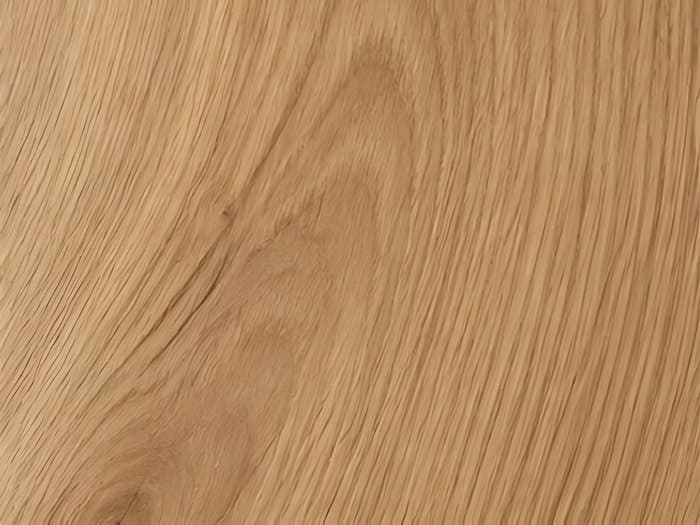
Natural oak, oiled
European oak
- Hardness
- Hard. Takes a dent from a dropped fork, not from a dropped spoon.
- How it ages
- Warms slowly toward honey over two to three years in daylight.
- Care
- Wipe with a damp cloth. Re-oil lightly once a year; a 250 ml tin covers a dining table.
- Pieces offered in this finish (10)
- Aske chair, Tarn dining table, Brae shelving, Holm bench, Pell stool, Lowe bed, Vesper sideboard, Twin side tables, Tolle desk, Marrow coffee table
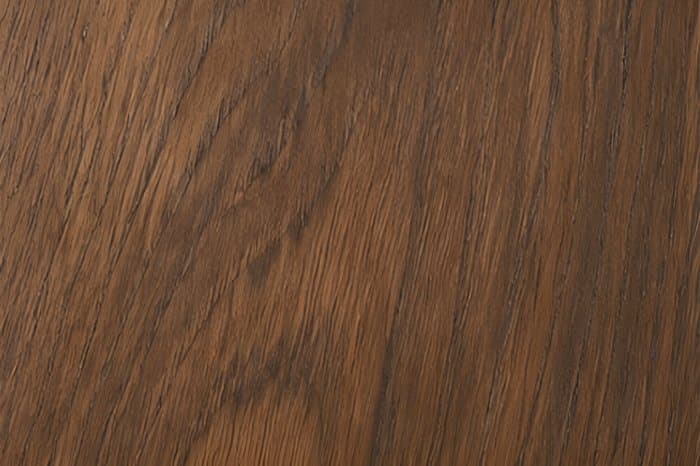
Smoked oak
European oak
- Hardness
- As oak. The colour goes right through, so scuffs do not show.
- How it ages
- Changes very little. Faint lightening on surfaces that sit in direct sun.
- Care
- Wipe dry or damp. Oil once a year to keep the depth of colour.
- Pieces offered in this finish (6)
- Aske chair, Tarn dining table, Brae shelving, Holm bench, Vesper sideboard, Tolle desk
Six woods and finishes
Natural oak, oiled
European oak
Pale, honey at the edges, with the grain left open. A thin hard-wax oil that you can touch up yourself.
- Hardness
- Hard. Takes a dent from a dropped fork, not from a dropped spoon.
- How it ages
- Warms slowly toward honey over two to three years in daylight.
- Care
- Wipe with a damp cloth. Re-oil lightly once a year; a 250 ml tin covers a dining table.
- Pieces offered in this finish: 10 pieces
- Aske chair, Tarn dining table, Brae shelving, Holm bench, Pell stool, Lowe bed, Vesper sideboard, Twin side tables, Tolle desk, Marrow coffee table
Smoked oak
European oak
Oak fumed until it turns deep brown through the board, not just at the surface. Sanding a scratch does not reveal pale wood.
- Hardness
- As oak. The colour goes right through, so scuffs do not show.
- How it ages
- Changes very little. Faint lightening on surfaces that sit in direct sun.
- Care
- Wipe dry or damp. Oil once a year to keep the depth of colour.
- Pieces offered in this finish: 6 pieces
- Aske chair, Tarn dining table, Brae shelving, Holm bench, Vesper sideboard, Tolle desk
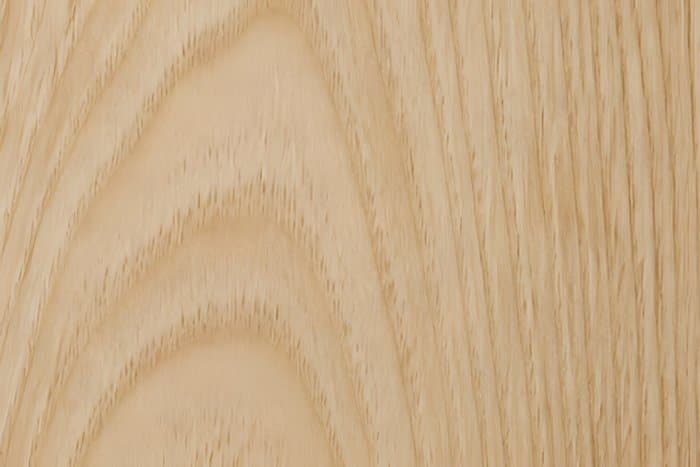
Ash, white oil
European ash
Light and cool, with a bold cathedral grain. A white-pigmented oil keeps it pale instead of letting it yellow.
- Hardness
- Hard and springy. A good choice for chairs and benches.
- How it ages
- Stays pale. The pigment softens a little in the first year.
- Care
- Damp cloth only. Re-oil with the same white oil every year or two.
- Pieces offered in this finish: 5 pieces
- Aske chair, Brae shelving, Pell stool, Twin side tables, Tolle desk
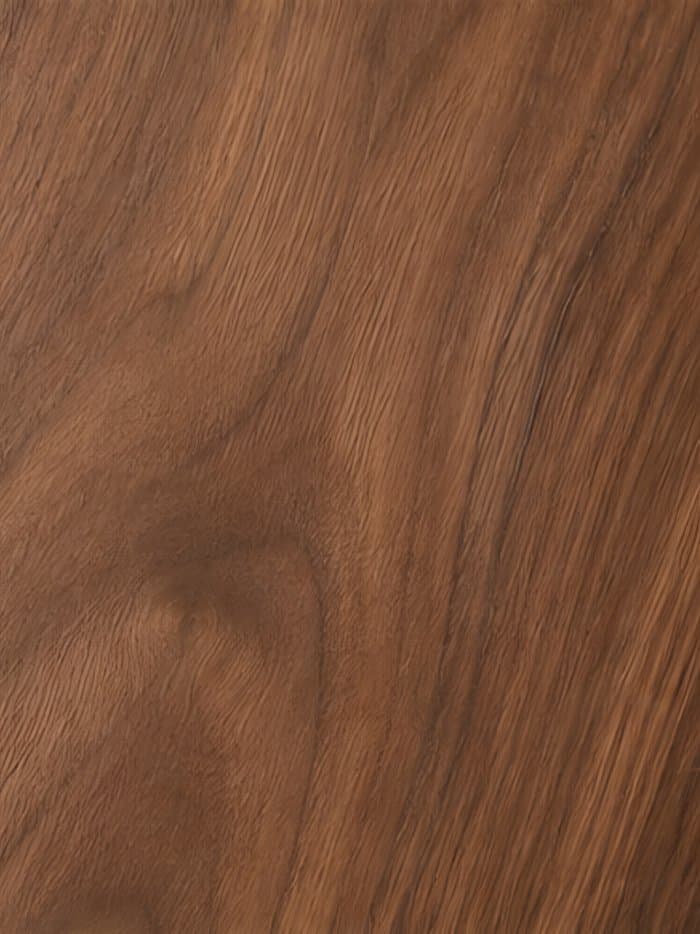
Walnut, hard-wax oil
European walnut
Chocolate brown with grey-violet streaks. The grain varies more from board to board than any other wood we use.
- Hardness
- Medium. Handles daily use; avoid dragging hard objects across it.
- How it ages
- Lightens a little and turns warmer in daylight over the first year.
- Care
- Damp cloth. Re-oil lightly once a year.
- Pieces offered in this finish: 5 pieces
- Tarn dining table, Holm bench, Vesper sideboard, Twin side tables, Marrow coffee table

Birch, soap finish
Birch
Fine, even and almost white. A soap finish leaves a matt, unvarnished feel that suits bedrooms and children's rooms.
- Hardness
- Medium-hard. Fine grain takes a very smooth surface.
- How it ages
- Yellows gently and evenly with age.
- Care
- Refresh with soap flakes and water every few months. Marks wash out.
- Pieces offered in this finish: 2 pieces
- Pell stool, Lowe bed
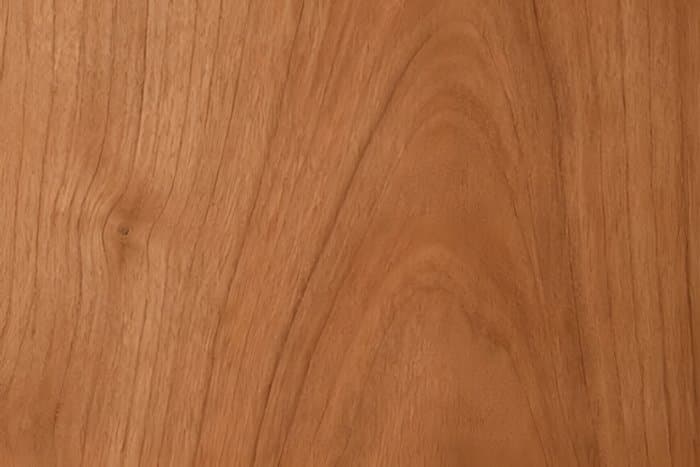
Cherry, natural oil
European cherry
Pale pink when cut, then red-brown within a year. Smooth, quiet grain with small pith flecks that are part of the wood.
- Hardness
- Medium. Dents more easily than oak, and the dents polish out.
- How it ages
- Darkens most in the first six months, then settles.
- Care
- Dry or damp cloth. Keep out of strong sun while it settles.
- Pieces offered in this finish: 2 pieces
- Lowe bed, Marrow coffee table
Colour on a screen is not colour on a table. Ask for a sample board; in the real workshop this would be a 20 x 20 cm piece in the post. In this concept nothing is posted.