Solutions
Four set-ups, described by what they do to your day, not by promises.
Fictional company. Every figure on this site is an illustrative example.
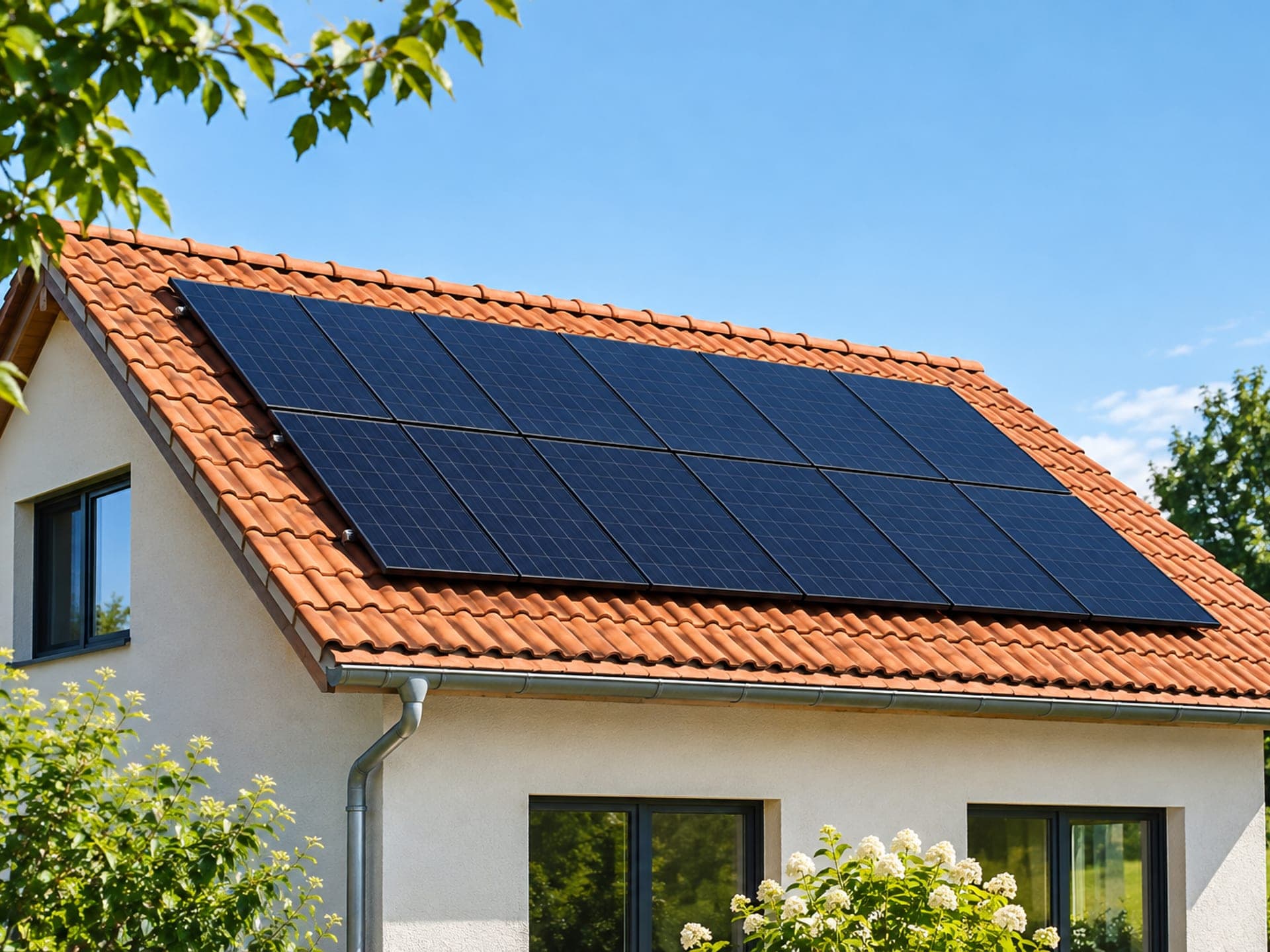
Solar for homes
Owner-occupied houses with a roof that gets several hours of direct sun.
What is included
- Panels, mounting and inverter
- Monitoring app
- A written sizing note with assumptions
What limits it
- Shade and roof direction change output a lot
- Self-use without a battery is limited to what you run during the day
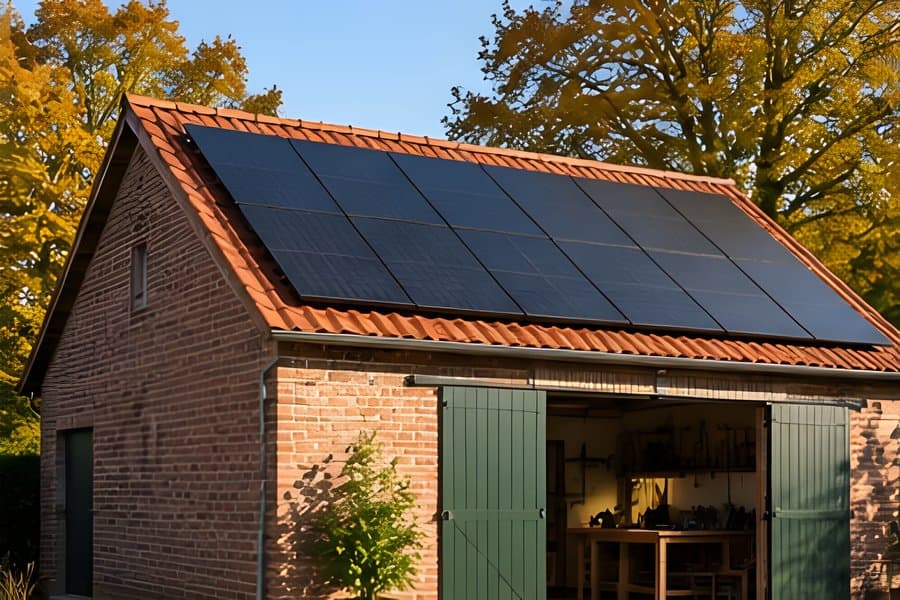
Solar for small businesses
Workshops, shops, farms and offices that use most of their power in daylight hours.
What is included
- Panels sized to daytime load
- Inverter and metering
- A load review on paper
What limits it
- Weekend and holiday use lowers self-use
- Large equipment may need a separate grid review
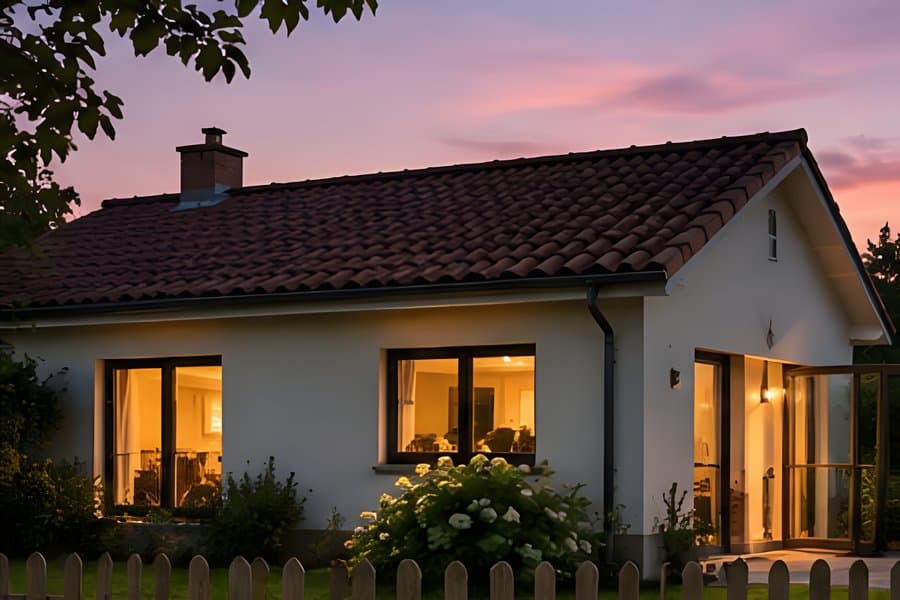
Adding storage
Homes and businesses that use most power in the evening.
What is included
- Battery and inverter settings
- A day-shape review
- Usable-capacity figures, not just nameplate
What limits it
- A battery loses some energy each cycle
- It does not make a small roof bigger
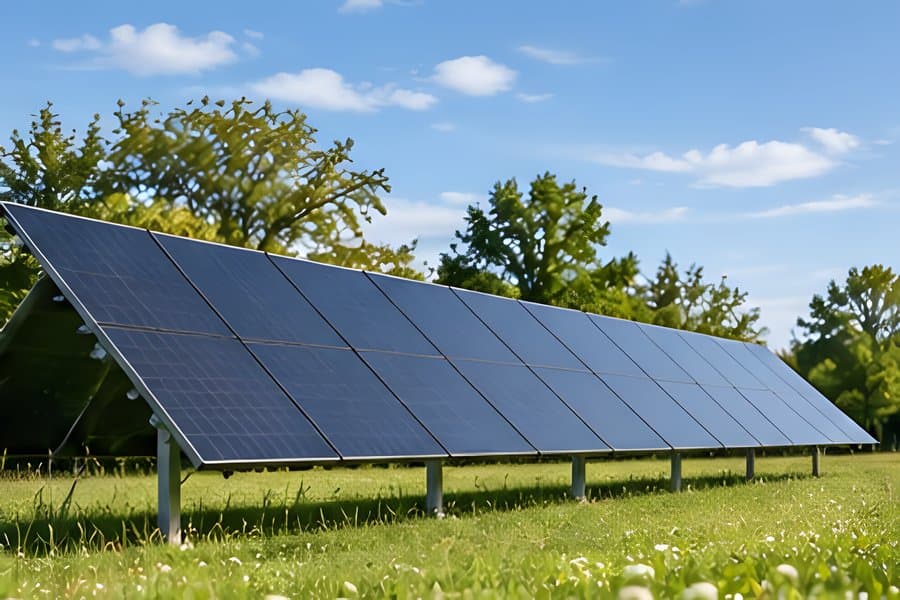
Solar and storage together
Households that want to cover more of the evening from their own roof.
What is included
- Everything above, sized together
- A day chart for your own numbers
What limits it
- Costs and incentives vary and are not estimated here
Side by side
| Set-up | Roof needed | Battery | What it does to the day |
|---|---|---|---|
| Solar for homes | About 5 m2 per kWp | No | Makes power at midday; you use some as it comes |
| Solar for small businesses | About 5 m2 per kWp | Optional | Matches daytime use well |
| Adding storage | None extra | Yes | Moves midday surplus into the evening |
| Solar and storage | About 5 m2 per kWp | Yes | Covers more of the day, within what the roof can make |