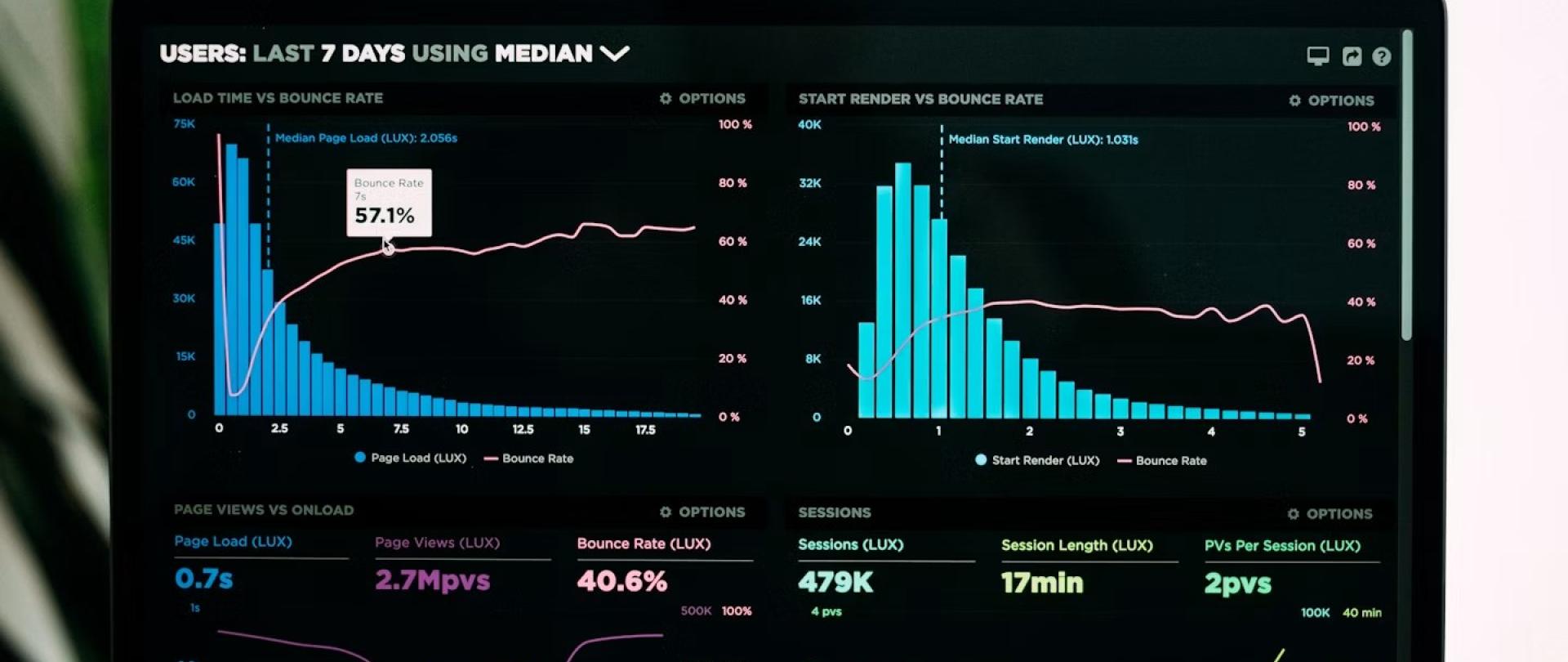
A client came to us with a straightforward complaint: their Google rankings had been slipping for eight months and they could not figure out why. Their content was good, their backlinks were healthy, and they had done everything the SEO blogs told them to do. What they had not looked at was their Core Web Vitals score — which was, to put it diplomatically, catastrophic.
The Numbers
LCP: 6.8 seconds. INP: 890ms. CLS: 0.34. Every metric was in the red. And their hosting bill was $12/month on a shared server in a data center 4,000 kilometers from their primary audience.
Diagnosing the Root Cause
We ran a full audit using WebPageTest, Chrome DevTools, and PageSpeed Insights. The waterfall told the story clearly: the first byte took 2.1 seconds. Every subsequent asset was blocked behind that initial TTFB. No amount of image optimization or JavaScript deferring was going to fix a 2-second server response time.
The shared hosting environment had 400+ sites on the same server. During peak hours — which coincided exactly with their audience's business day — the server was CPU-throttled to the point of near-unusability.
The Fix
We migrated to a $40/month VPS with data centers in the target region, implemented Redis object caching, and added a CDN layer for static assets. We also audited their WordPress plugin stack — 34 plugins, 11 of which were generating database queries on every page load.
After migration and optimization: LCP 1.4 seconds. INP 180ms. CLS 0.02. All green.
The Business Impact
Six weeks after the migration, organic traffic was up 34%. Three months later, they ranked in the top 3 for their primary keyword for the first time. The total cost of the migration and optimization project was recovered in new organic revenue within 60 days.
The lesson is simple: hosting is not a place to save money. The difference between $12/month and $40/month in hosting costs can mean the difference between page 1 and page 3 of Google.